


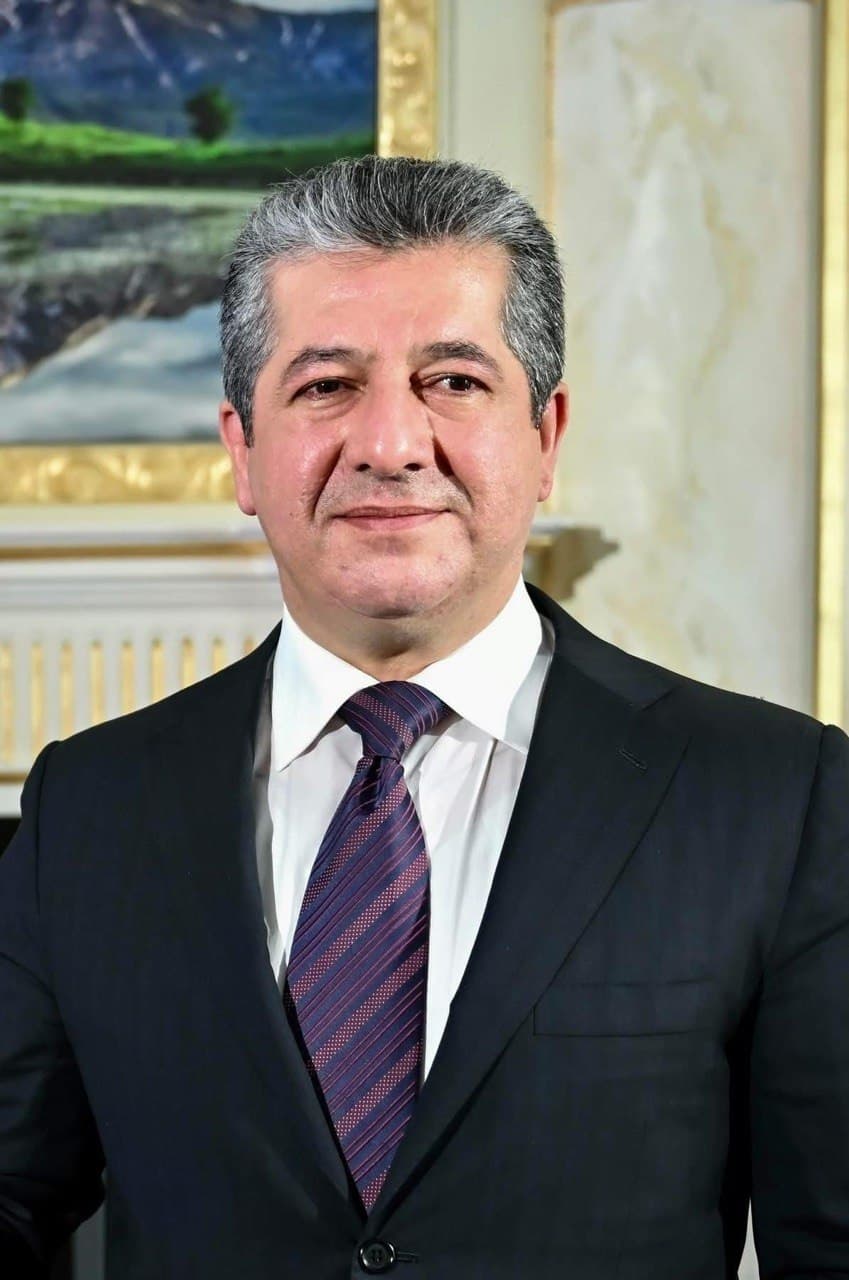

Shamsaddin Mohammad Osman, also known as lawyer Shamsaddin Mufti and Amir Qasemi, was born in Erbil into the esteemed family of the Mufti of Erbil. Their ancestors had migrated from the Mukriyan region near Mahabad to settle in Erbil. Shamsaddin successfully obtained a law degree from the prestigious Law College of Baghdad University in 1957. In the early stages of 1974, he was appointed as the Secretary of the Secretariat of Agriculture under the leadership of the September Revolution. However, following the collapse of the September Revolution in 1975, he sought refuge in Iran. Subsequently, in 1976, he relocated to the Syrian Arab Republic before being granted political asylum by the United Kingdom in 1977.
On the dates of December 23-28, 1992, Shamsaddin was appointed by the Kurdistan Front to assume a position as a member of the 15-member committee tasked with the responsibility of writing the Kurdistan National Assembly legislation. In the same year, he was also appointed as a member of the 13-member committee of judges and lawyers for the Kurdistan National Assembly (KNA). Unfortunately, Shamsaddin passed away on September 5, 2012, in London due to illness. He possessed remarkable fluency in Kurdish, Arabic, Persian, and English languages.
Service RecordFrom November 13 to 24, 1952, he actively participated in the student demonstrations in Baghdad against the Iraqi regime. In 1953, he assumed the role of secretary for the Kurdistan Students Union (First Congress). He covertly oversaw the organization of the Kurdistan Students Union's Newroz celebration in Erbil. In 1956, he took part in the Newroz celebration of the Kurdistan Students Union in Kesnazani village of Erbil province. On December 3, 1958, he participated in the election of the new board of the Kurdish Victory Club in Baghdad. On March 21, 1958, he joined the Newroz celebration in Erbil. On July 27, 1958, he visited the Iraqi Ministry of Defense as part of a Kurdish delegation to extend congratulations to the Iraqi army on the overthrow of the Iraqi monarchy. On August 7, 1958, he, along with a delegation from Erbil, received Sheikh Ahmad Sheikh Mohammed Sheikh Abdulsalam (1892-1969), also known as Sheikh Ahmad Barzan, and his associates in Kirkuk, escorting them to Erbil. In 1958, he was appointed as the initial staff member of the second branch committee during the tenure of Engineer Ali Abdullah Amin (1926-2017). In 1959, with the assistance of lawyer Omar Mustafa Mohammed Amin (1923-1992), also known as Omar Dababa, he oversaw the electoral process for the Erbil Conference, which aimed to select delegates for the Fourth Congress of the Kurdistan Democratic Party Iraq. In June 1959, he served as a member of the Erbil Committee of the Peace Movement and played a supervisory role in the elections of the Erbil Municipality. In the same year, he was elected as a member of the High Monitoring and Inspection Committee of the Kurdistan Democratic Party (KDP)-Iraq (Fourth Congress). In 1959, he assumed the position of head of the second branch committee. Under the leadership of President Mustafa Barzani, he took command of the Erbil volunteers of the Kurdistan Democratic Party (KDP). Sheikh Rashid Lulan's rebellion in the Syedkani region fell under the jurisdiction of Erbil province. On July 1, 1959, accompanied by President Mustafa Barzani, he visited the headquarters of the United Kurdistan Democratic Party in Baghdad, a day after lawyer Hamza Abdullah Omar was suspended from the KDP, which then became the Kurdistan Union. On February 19, 1960, he expressed gratitude on behalf of the lawyers of Erbil to the Kurdistan Democratic Party (KDP) and sent a letter of appreciation to Zaim Ruken Abdulkarim Qasim. In accordance with Article 13 of the Iraqi Associations Law, on February 21, 1960, he sought permission from the Governor of Erbil to establish the headquarters of the second branch of the Kurdistan Democratic Party (KDP) in Erbil. On June 28, 1959, he conveyed a letter of support to Iraqi Prime Minister General Ruken Abdulkarim Qasim on behalf of the Kurdistan Democratic Party (KDP) and the National Union Front. In 1960, he briefly faced imprisonment in Erbil, but President Mustafa Barzani attempted to secure his release. He was a member of the founding committee of the Kurdistan Democratic Party (KDP) during its establishment period in 1960. Additionally, he served as a member of the Erbil Committee of the Iraqi Peacemakers in the same year. Under the responsibility of Jalal Abdulrahman Amin, he assumed the role of the third staff of the second branch committee in 1960. He also attended the fifth congress of the Kurdistan Democratic Party in Baghdad as a delegate in 1960. In November 1960, he held a position in the Revolutionary Organization Committee and was in charge of Erbil. Finally, in 1961, he became a member of the Revolutionary Committee of the Kurdistan Democratic Party (KDP) in the Erbil region. In August 1960, he, along with a group of lawyers in Erbil, penned an open letter to various Iraqi newspapers, vehemently protesting against the publication of articles in the Baghdad newspaper that disregarded the Kurds as a distinct nation and instead labeled them as Arabs. This act served as an encouragement to the Iraqi authorities. During the mid-1960s, he was apprehended by the governor of Erbil on charges of the murder of Sadiq Miran. However, he adamantly refused to surrender and sought refuge in the residence of Arif Osman Yousef in the Sitaqan neighborhood of Erbil. In 1961, he was appointed as the leader of the initial armed faction of the September Revolution in Erbil. On September 7, 1961, he assumed control of the fugitive police force prior to the September Revolution. With the assistance of Abdullah Ismail Ahmad, also known as Mullah Motor, a group of Peshmergas launched an attack on the headquarters of the jashes in Aspindara village, located in the Erbil province, successfully capturing it. On September 15, 1961, he joined the Peshmerga forces in Ranya, situated in the Sulaimani province. From 1961 to 1964, he served as a Peshmerga in the fourth staff of the second branch committee, under the leadership of Mohammed Haji Tahir, and was appointed as the administrator of the branch committee by Sarpa Ali Abdullah. He actively participated in the battles that took place from October 11 to 28, 1961, against the ground forces of the Iraqi army and the Jash forces of the tribes loyal to the Iraqi government. Following the disappearance of ammunition on October 29, 1961, he issued an order for the Peshmerga to retreat. Between 1963 and 1973, he represented the September Revolution in Tehran, operating under the alias of Amir Qassimi. In 1964, he received an invitation to attend the Mawat General Assembly from the Political Bureau, but he declined to participate as he believed it did not align with the established protocols, ultimately throwing his support behind President Mustafa Barzani. In 1964, he assumed membership in the Constitutional Committee of the Executive Office of the Revolutionary Leadership Council in Iraqi Kurdistan. Subsequently, in 1969, he tendered his resignation as the representative of the Kurdistan Democratic Party in Tehran and returned to Baghdad. During the same year, he provided assistance to General Taymour Bakhtiar in his opposition against the Iranian authorities. In 1974, he once again joined the Peshmerga forces. Additionally, in 1977, he played a pivotal role as one of the founding members of the Kurdistan Democratic Party (KDP) Preparatory Committee. Furthermore, he became a part of the Peshmerga forces of the Kurdistan National Union (KNU) in the same year. On December 14, 1978, he was granted the right to legal representation through a decree issued by the Revolutionary Leadership Council.
Sources:
-
جهمشید حهیدهری، وهڵامێك بۆ بهرهڤان حهمدی و دكتۆر مارف خهزنهدار، گۆڤاری خهباتی قوتابیان، ئۆرگانی یهكێتی قوتابیانی كوردستان، ژماره 69، ههولێر، ئاداری 2007ز، ل 20.
-
ههڤپهیڤین : ئازاد عهبدولواحید، دروێنهی ڕۆژهكانی زیوهر خهتاب، (ههولێر ـ چاپخانهی ڕۆژههڵات ـ 2019ز)، ل ل 24، 61، 99، 107، 130.
-
ئیسماعیل شوكر ڕهسوول، شوكریه چیاووك یهكهمین مامۆستای ئافرهتی كورد له ههولێر، گۆڤاری شاووشكا، سهنتهری شاووشكا بۆ چالاكی ڕۆشنبیری، ژماره 4، ههولێر، چاپخانهی وهزارهتی پهروهرده، 2002ز، ل 44.
-
محهمهد سهعید كورده، جاری جاران، (ههولێر ـ چاپخانهی هێڤی ـ 2019ز)، ل ل 253 ـ 259، 260 ـ 266.
-
شوان محهمهدئهمین تهها خۆشناو، ههولێر له نێوان ساڵانی (1958 ـ 1963) لێكۆڵینهویهكه له بارودۆخی سیاسی، (ههولێر ـ چاپخانهی ڕۆژههڵات ـ 2012ز)، ل ل 160 ـ 161، 173، 195، 197، 213، 216، 227، 239، 256، 258 ـ 259، 262، 271، 274.
-
شوان محهمهدئهمین تهها خۆشناو، ههولێر له نێوان ساڵانی 1963 ـ 1970 لێكۆڵینهوهیهكی مێژووییه له بارودۆخی سیاسی، (ههولێر ـ چاپخانهی زانكۆی سهڵاحهددین ـ 2016ز)، ل ل 18، 32 ـ 33، 109، 158.
-
عهبدوڕهحمان شهڕهفكهندی، چێشتی مجێور، (پاریس ـ 1997ز)، ل 561.
-
جهمال نهبهز، بیرهوهریینامهی ئهو رۆژانهی جارهكی دیی ناگهڕێنهوه، (سلێمانی ـ چاپخانهی شڤان ـ 2017ز)، ل ل 340، 367، 375، 402 ـ 403، 500.
-
سلێمان مستهفا حهسهن، كورد و یهكهم ئهزمون، (ههولێر ـ چاپخانهی كارۆ ـ 2017ز)، ل 40.
-
تۆفیقی مهلا سدیق، بیرهوهریهكانی ڕۆژانی حیزبایهتی و پێشمهرگایهتی و دوور خرانهوهم، چاپی دووهم، (ههولێر ـ چاپخانهی شههاب ـ 1996ز)، ل ل 23، 26.
-
ئامادهكردنی : سهڵاح ڕەشید، مام جهلال دیداری تهمهن له لاوێتیهوه بۆ كۆشكی كۆماری، بهرگی دووهم، (سلێمانی ـ چاپخانهی كارۆ ـ 2017ز)، ل 47.
-
نجاه یاسین نهجار، شههید مهئمون دهباغ، گۆڤاری شارهوانی، سهرۆكایهتی شارهوانی ههولێر، ژماره 21، ههولێر، كانونی یهكهمی 2013ز، ل ل 16 ـ 17.
-
جرجیس فتح الله المحامي، العراق في عهد قاسم آراء وخواطر 1958 ـ 1988، الجزء الثاني، (السوید ـ دار نبز للطباعة والنشر ـ 1989م)، ص 728.
-
جهمشید حهیدهری، وهڵامێك بۆ بهرهڤان حهمدی و دكتۆر مارف خهزنهدار، گۆڤاری خهباتی قوتابیان، ئۆرگانی یهكێتی قوتابیانی كوردستان، ژماره 69، ههولێر، ئاداری 2007ز، ل 20.
-
بارزانی ههمیشه دهیگوت بڕوام به شای ئێران نییه، ڕۆژنامهی بارزان نیوز، ژماره 181، ههولێر، یهكشهمه، 19 ئهیلولی 2010ز، ل 5.
-
حبیب محمد كریم، تأریخ الحزب الدیمقراطي الكوردستاني العراق (في محطات رئیسیة) 1946 ـ 1993، (دهوك ـ مطبعة خهبات ـ 1998م)، ص ص 61، 67.
-
حسن لطیف الزبیدي، موسوعة الأحزاب العراقیة، (بیروت ـ مؤسسة العارف للمطبوعات ـ 2007م)، ص 339.
-
حسو هورمي، لمحات من حیاة الأمیر تحسین سعید علي بك، (أربیل ـ مطبعة روژهلات ـ 2017م)، ص ص 134، 141.
-
روژین چلبی منیر، زاخۆ 14ی تیرمهها 1958 ـ 6ی ئادارا 1975، (بێ شوێن ـ سهنتهرێ زاخۆ بۆ ڤهكۆلینێن كوردی ـ 2018ز)، ل 121.
-
بهكر شاكر كاروانی، عهلی فهتاح دزهیی شاعیر و نووسهر و تێكۆشهر، (ههولێر ـ وهزارهتی ڕۆشنبیری ـ 2004ز)، ل 26.
-
میهڤان محمد حسین، موقف بریطانیا من القضیة الكردیة في العراق 1975 ـ 1980، (بدون مكان ـ مركز زاخو للدراسات الكردیة ـ 2018م)، ص 352.
-
درهخشان شێخ جهلال حهفیدزاد، كورتهیهك له بزووتنهوهی ڕزگاریخوازی ئافرهتانی كوردستان و ههندێ له بیرهوهرییهكانم، (سلێمانی ـ چاپخانهی شڤان ـ 2010ز)، ل 147.
-
سامي شورش، تنوع الكرد في العراق، (أربیل ـ دار آراس للطباعة والنشر ـ مطبعة وزارة التربیة ـ 2000م)، ص ص 24 ـ 25، 27.
-
شیرزاد زكریا محمد، مجلس قیادة الثورة في كوردستان ـ العراق 1964 ـ 1970 دراسة تاریخیة سیاسیه عامة، (دهوك ـ جامعة دهوك ـ مركز الدراسات الكوردیة وحفظ الوثائق ـ 2010م)، ص 80.
-
عادل مراد، محاولة جادة لكتابة جزء من التاریخ الحدیث لكرد العراق، الحلقة السادسة، صحیفة الاتحاد، الصحیفة المركزیة للاتحاد الوطني الكردستاني، العدد 378، السنة الثامنة، السلیمانیة، الجمعة، 14 تموز 2000م، ص 5.
-
عهدنان موفتی، شهمسهدین موفتی ڕابهر و سهركرده 1933 ـ 2012، چاپی دووهم، (ههولێر ـ بهدرخان ـ چاپخانهی شههاب ـ 2013ز)، ل ل 16، 27، 44، 56، 106.
-
عیسی پژمان، اسرار قتل و زندگی شگفت انگیز سپهبد تیمور بختیار، (پاریس ـ بنگاه انتشارات ژن ـ 1991م)، ص ص 240، 252، 254.
-
منصور تاراجی، نخستین روزنامهنگار و عكاسی ایرانی در ستاد پیشمرگان بارزانی، روزنامه اطلاعات، شماره 14456، قسمت نهم، تهران، یكشنبه، 23 تیر 1353 ھ . ش، ص 11.
-
فرهاد عوني، في صفحة اخری من ثورة أیلول الكبری، مجلة گولان العربي، العدد 28، أربیل، مطبعة وزارة الثقافة، 22 أیلول 1998م، ص 39.
-
فرهاد عوني، كیف آلت الأوضاع الی اسئناف القتال في كوردستان ربیع عام 1974؟، مجلة گولان العربي، مؤسسة گولان الأعلامیة، العدد 28، أربیل، 25 أیلول 1998م، ص 40.
-
فهرید ئهسهسهرد، ئینسكلوپیدیای یهكێتی نیشتیمانی كوردستان، چاپی دووهم، (سلێمانی ـ ئهكادیمیای هۆشیاری و پێگهیاندنی كادیران ـ 2015ز)، ل ل 861 ـ 863، 869.
-
قرار مجلس قیادة الثورة رقم 1615، جریدة الوقائع العراقیة، وزارة العدل، العدد 2690، السنة الواحدة والعشرون، بغداد، الأثنین، 1 كانون الثاني 1979م، ص 3.
-
كاف كوردستانی، بارزانی مستهفا وهكو ناسیومه، ڕۆژنامهی برایهتی، ئۆرگانی پارتی دیموكراتی كوردستان ـ یهكگرتوو، ژماره 1885، ههولێر، دووشهمه، 28 شوباتی 1994ز، ل 3.
-
لقی دوو، لقی دوو له نیوسهدهی تێكۆشاندا، (ههولێر ـ چاپخانهی ئاراس ـ 2010ز)، ل 38.
-
مارف خهزنهدار، ڕۆژگاری من دروست بوون 1949 ـ 1960، بهرگی دووهم، (ههولێر ـ چاپخانهی حاجی هاشم ـ 2009ز)، ل 260.
-
ملا مصطفی البارزاني ورفاقه یقدمون اخبارا الی سیادة وزیر الداخلیة عن تأسیس الحزب، جریدة خهبات (النضال)، العدد 141، مطبعة الرأي العام، بغداد، الأحد، 9 كانون الثاني 1960م، ص ص 1، 8.
-
مهلا فاروق شوانی، ههموو كورد، بهرگی یهكهم، (ههولێر ـ چاپخانهی ڕۆشنبیری ـ 1997ز)، ل ل 117، 229.
-
مههدی محهمهد قادر، ڕۆڵی كورد له بزووتنهوهی ئاشتیخوازان له عێراقدا (1950 ـ 1963)، (ههولێر ـ خانهی موكریان بۆ چاپ و بڵاوكردنهوه ـ چاپخانهی موكریانی ـ 2015ز)، ل 52.
-
میهڤان محمد حسین، موقف بریطانیا من القضیة الكردیة في العراق 1975 ـ 1980، (زاخو ـ مركز زاخو للدراسات الكردیة ـ 2018م)، ص 317.
-
نهوشیروان مستهفا ئهمین، له كهناری دانوبهوه بۆ خڕی ناوزهنگ، (بێ شوێن ـ 1997ز)، ل 338.
-
هاوكار كریم حمه شریف، شۆڕشی ئەیلوول، (ههولێر ـ چاپخانهی زانكۆی سهڵاحهدین ـ 2012ز)، ل ل 45 ـ 46.
-
یادگاره كۆنهكانی نهورۆز له ههڤپهیڤینێكدا، گۆڤاری خهباتی قوتابیان، ئۆرگانی یهكێتی قوتابیانی كوردستان، ژماره 44 و 45، ههولێر، نیسانی 2001ز، ل 41.
-
علي سنجاري، القضیة الكوردیة وحزب البعث العربي الأشتراكي في العراق، الجزء الثالث، (دهوك ـ مطبعة خاني ـ 2012م)، ص 335.